Understanding Dysgraphia: More Than Just "Bad Handwriting"
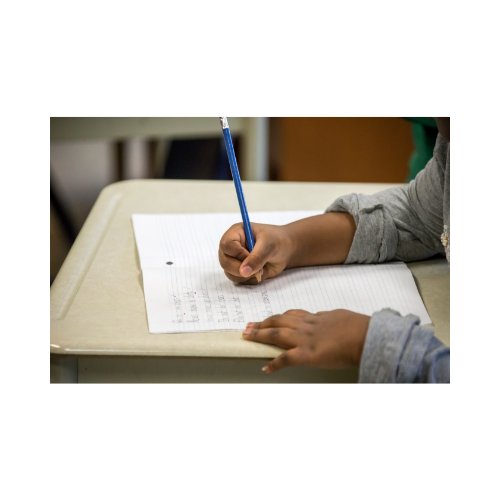
Dysgraphia is often misunderstood as simply "bad handwriting," but it's actually a neurological condition that affects written expression. Children with dysgraphia may have average or above-average intelligence and verbal skills, yet struggle significantly with writing tasks.
Key characteristics of dysgraphia include: - Inconsistent spacing between words and letters - Mixture of upper and lowercase letters - Unusual pencil grip - Slow writing speed - Difficulty thinking and writing simultaneously - Watching their hand while writing - Saying words aloud while writing
It's important to understand that dysgraphia exists on a spectrum. Some children have mild difficulties that respond well to accommodations and practice, while others need intensive intervention.
The good news is that with proper support, children with dysgraphia can develop functional writing skills. Occupational therapy focuses on building the underlying skills needed for writing, including fine motor control, visual-motor integration, and motor planning.
We also work on compensatory strategies and accommodations, such as allowing extra time for written work, providing assistive technology when appropriate, and teaching keyboarding skills as an alternative to handwriting for longer assignments.
Ready to Help Your Child?
Book a free consultation to discuss your child's handwriting needs